NAIROBI, KENYA — Convened under the national theme “Reforms Delivered, Health as a Right,” the Kenya Health Summit 2026 brought together top government leadership, public health officials, civil society organizations, and development partners to evaluate progress and set strategic priorities for Universal Health Coverage.
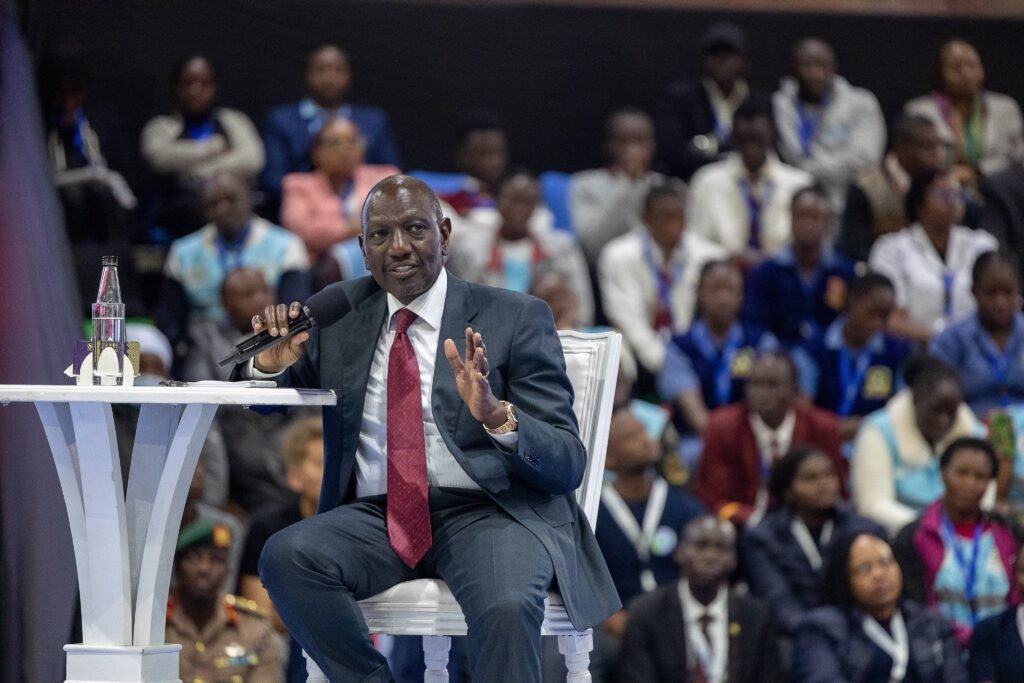
Addressing delegates during the opening address, President William Ruto emphasized that access to care is a fundamental constitutional entitlement.

“For years, Kenyans have lived with a contradiction we should never have accepted that access to healthcare could depend on the size of a citizen’s wallet,” President Ruto stated during the session. “Treatment became a debt and sickness a pathway into poverty.”
Health Cabinet Secretary Aden Duale reinforced the government’s commitment to accountability and structural reform across all healthcare tiers.
“We have come to place that plan side by side with the record and to invite the whole country to compare the two,” CS Duale noted. “We want to listen to patients, we want to listen to healthcare providers and provide the country with a roadmap.”
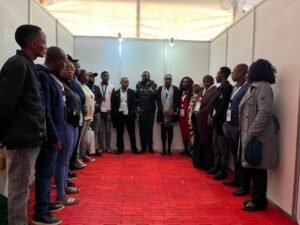
Bridging national policy directives with grassroots reality, a delegation of TB Champions actively participated throughout the two day summit. On the opening morning, the champions engaged with Network leadership including Board Chair Michael Macharia and National Co-ordinator Stephen Anguva alongside Stop TB Partnership Kenya Chief National Co-ordinator Evaline Kibuchi.
A key focal point of the summit’s technical exhibition was the National Tuberculosis, Leprosy and Lung Disease Program booth, where delegates demonstrated the Near-Point-of-Care (NPoC) Mini Dock system. Operating on non-invasive tongue swab collection rather than traditional sputum samples, the portable diagnostic tool enables rapid processing at local primary healthcare facilities.
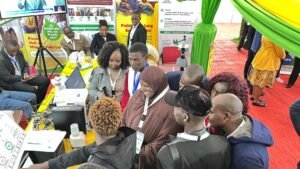
Demonstrating the unit, National Co-ordinator Stephen Anguva highlighted its operational advantages over conventional equipment:
“This machine uses a tongue swab, so it eliminates the previous challenges we had with sputum collection,” Anguva explained. “It is a portable machine that can be taken to any remote area. We are looking forward to the country committing to invest in these machines so they can be distributed across the entire country.”
Field advocates highlighted the immediate relief decentralized diagnostic systems bring to patients and rural health centers.
Nairobi TB Champion Mercy Mulwa emphasized how point-of-care technology transforms patient management on the ground:
“Previously, we used to take samples and take them to a lab,” Mercy shared. “But with mPOC, it will be easier, you get your results the same day, in a few minutes. It will save time, resources, and get people onto treatment faster.”
As discussions concluded, civil society representatives and health authorities reaffirmed their shared target to decentralize diagnostics across all 47 counties. Grounded in high-level political goodwill and community leadership, Kenya’s health advocacy network remains positioned to drive early detection, reduce patient costs, and accelerate the mandate to end TB by 2030.