Stop TB Partnership Kenya Harnesses Multisectoral Power within the Transport Sector
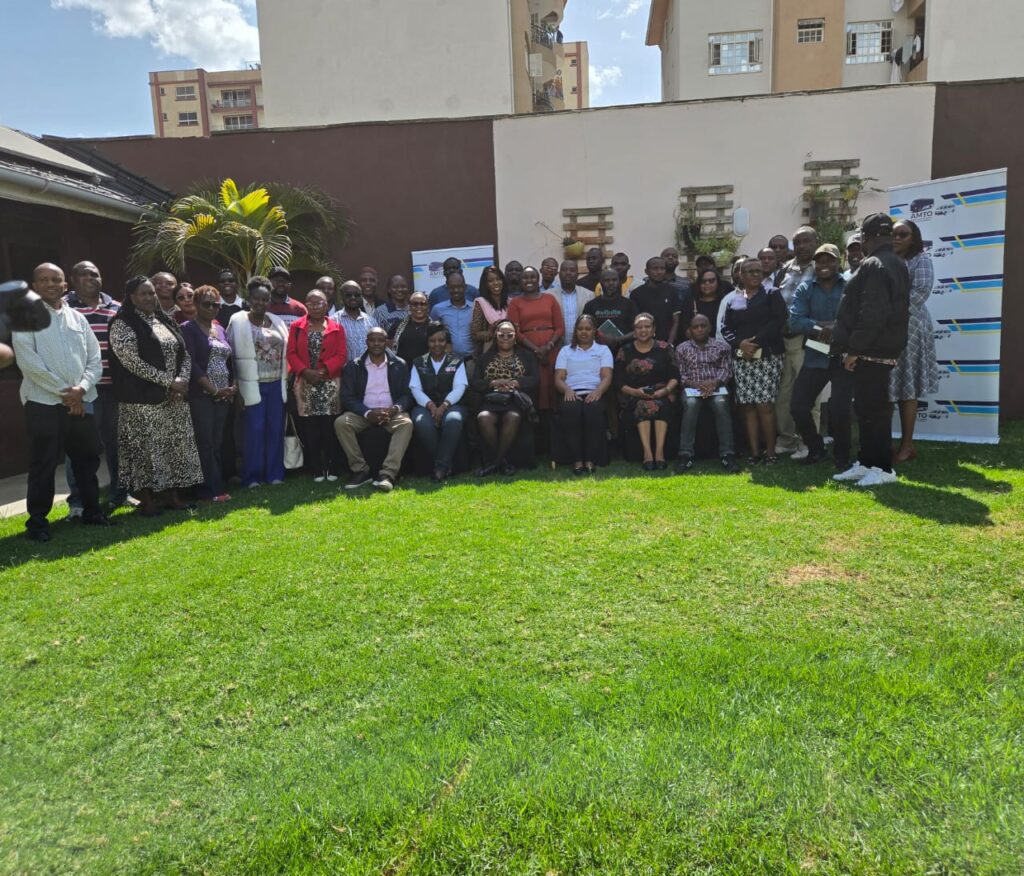
Tuberculosis (TB) remains one of the world’s most formidable public health challenges, disproportionately affecting populations characterized by high mobility, limited healthcare access, and constant exposure to crowded settings. Acknowledging that traditional health infrastructure alone cannot eliminate the disease, Stop TB Partnership Kenya last week launched a targeted advocacy campaign within the transport sector under the USAID-funded Tamatisha TB Activity. The transport sector spanning road, rail, air, and maritime logistics functions as a vital socioeconomic artery, yet its workforce remains fundamentally underutilized in national health responses. Understanding the Vulnerabilities of Mobility Transport personnel, particularly long-distance drivers, conductors, operators, and logistics staff, routinely navigate harsh occupational landscapes. Their work demands prolonged travel times away from family and stable healthcare setups, shifts in irregular environments with poor ventilation, and high-stress schedules. Consequently, these structural barriers often result in deferred health-seeking behavior and low participation in routine health screening. Through the Tamatisha TB Activity, Stop TB Partnership Kenya went directly to key transport corridors to dismantle these barriers. The intervention provided customized health sensitization aimed at closing the loop between exposure, symptom recognition, and prompt clinical care. The Strategy: Building a Multisectoral Ecosystem By integrating transport stakeholders into national and regional multisectoral TB platforms, the campaign addresses the missing links in community active case-finding. Peer-led advocacy sessions focused on critical operational strategies: Driving the Agenda Forward To fully optimize the transport sector’s role in the national TB response, ongoing efforts will focus on cultivating structured partnerships with transport associations, SACCOs, and regional logistics hubs. When we equip the people who move our nations with the tools to fight infectious diseases, we don’t just protect an industry—we safeguard the health of entire populations on the move. Because ending TB is a collective journey. Let us drive the cure together.
Communities in Machakos Unite to Strengthen Fight Against Drug-Resistant TB
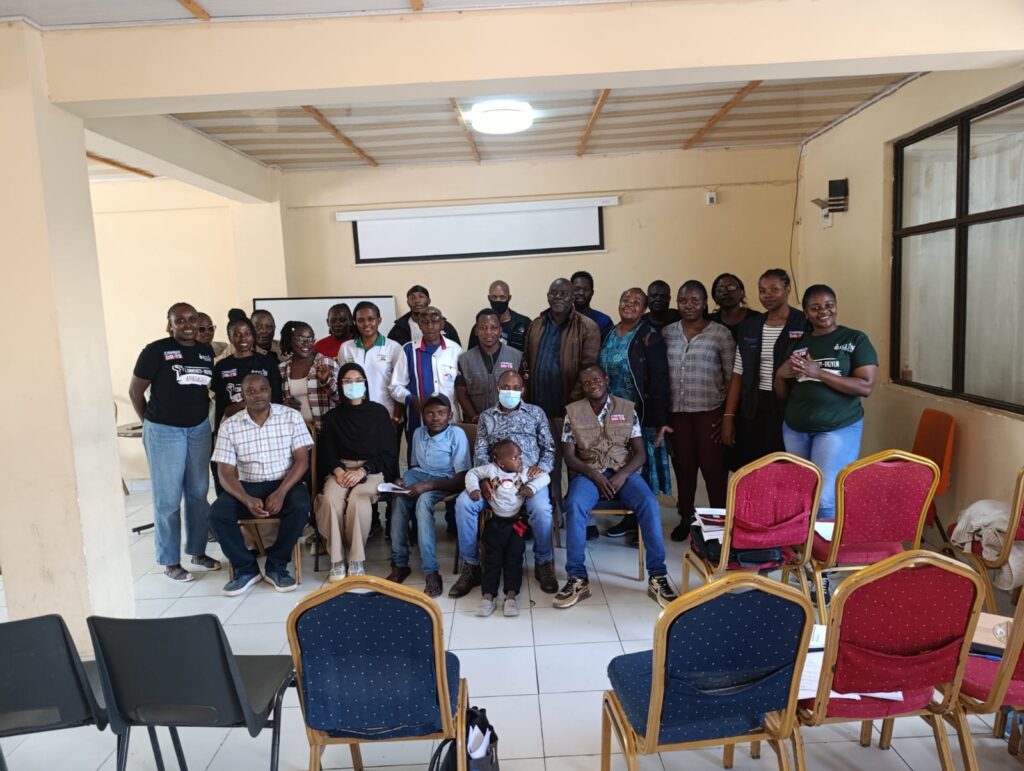
Communities in Machakos Unite to Strengthen Fight Against Drug-Resistant TB.
TB Champions Join the GC8 Writing Process: Elevating Community Voices in Kenya’s National TB Response
TB Champions Join the GC8 Writing Process: Elevating Community Voices in Kenya’s National TB Response