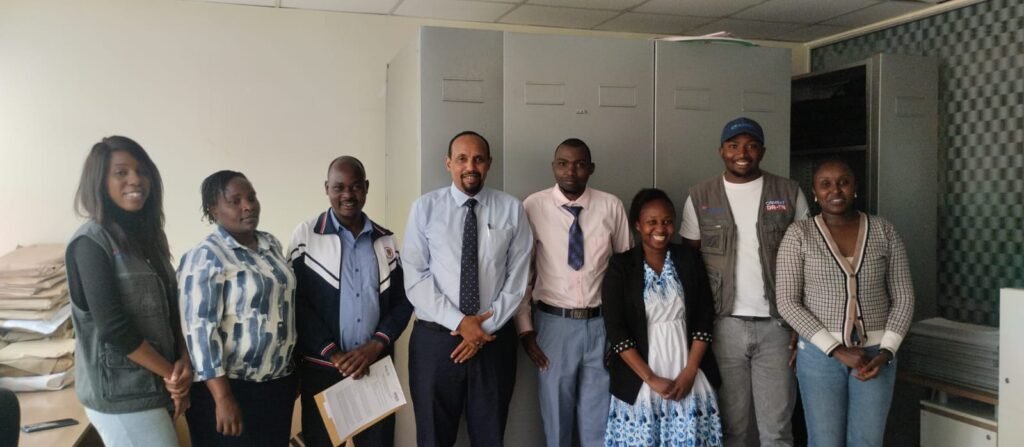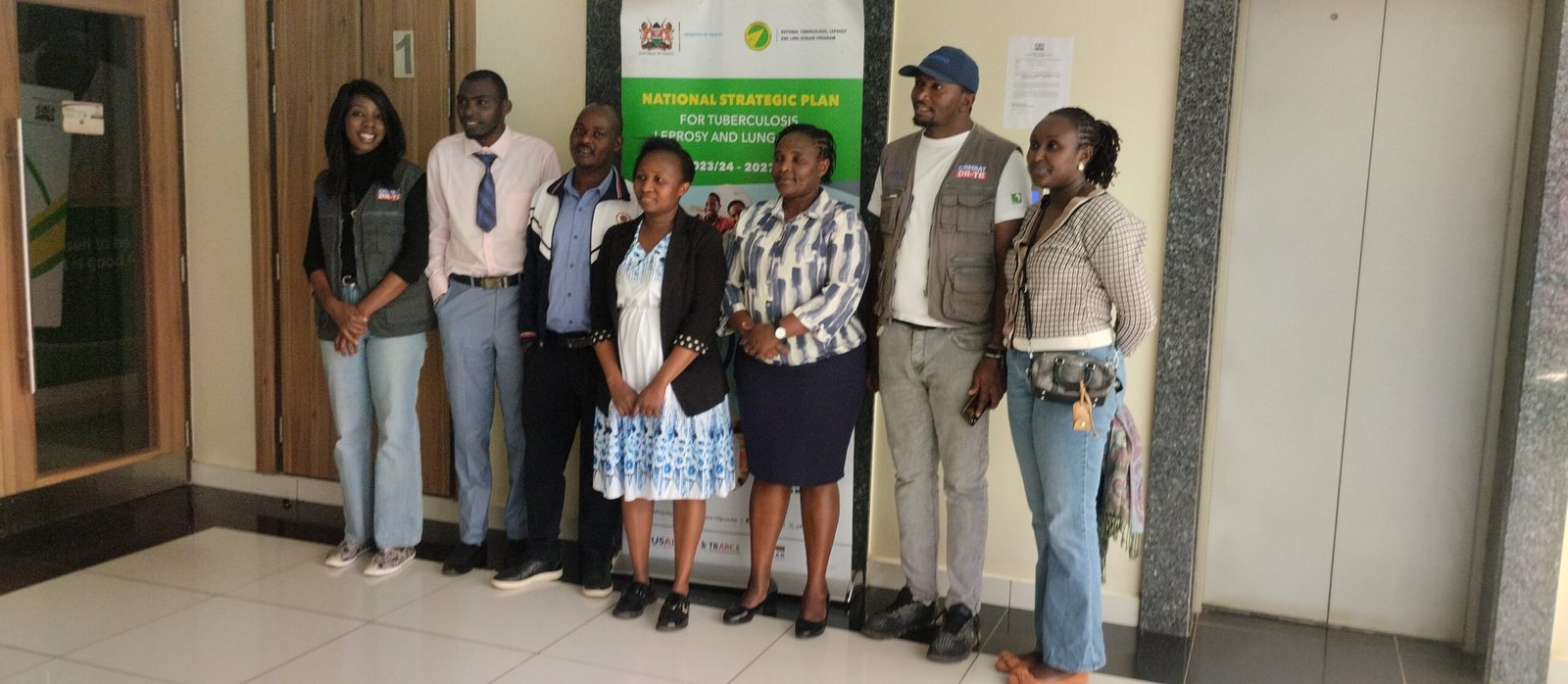
NAIROBI, KENYA — In a major push to eliminate Tuberculosis (TB) in Kenya, representatives from TB-affected communities and civil society organizations (CSOs) formally submitted a joint advocacy memorandum to the Ministry of Health today on the Global Day of Action.
The document, titled “#TestToBeatTB: Kenya Country Advocacy Memorandum,” was addressed to the Cabinet Secretary for Health, Hon. Aden Duale, EGH, and received on behalf of the National Tuberculosis, Leprosy and Lung Disease Program (NTP) by Acting Head Dr. Abdullahi Omar.
Led by the Network of TB Champions Kenya (NTBC-K), Stop TB Partnership Kenya, and KELIN, alongside a coalition of community-based organizations, the memorandum calls on the government to develop and fund a costed, measurable five-year national roadmap to expand equitable access to rapid molecular TB diagnostics across the country.
Despite significant progress in adopting WHO-recommended rapid molecular diagnostics such as GeneXpert, Truenat, and digital chest X-rays, thousands of Kenyans continue to fall through the diagnostic cracks.
According to Ministry of Health data cited in the memorandum, 96,865 TB cases were notified in Kenya in 2024 against an estimated 124,000 cases, leaving an estimated 27,000 individuals undiagnosed and unlinked to treatment. Furthermore, the World Health Organization’s (WHO) 2025 Global Tuberculosis Report estimates that approximately 117,000 people developed TB in Kenya in 2024 alone.
Advocates stress that without closing the diagnostic gap at the primary healthcare level, Kenya risks falling short of its international commitments, including the 2023 UN High-Level Meeting goal to ensure 100% of people diagnosed with TB receive an initial WHO-recommended rapid diagnostic test by 2027.
The advocacy memorandum outlines an ambitious, step-by-step rollout plan for the National TB Program between 2026 and 2030:
Speaking during the submission, national TB advocates underscored the urgency of bringing diagnostic tools closer to grassroots communities.
Stephen Anguva, National Co-ordinator of the Network of TB Champions Kenya, emphasized the need for structural commitments: “Expanding rapid molecular testing across every level of our health system is not just a technical upgrade—it’s a life-saving necessity for communities across Kenya.”
TB Champion Isaac Koisok highlighted the challenge faced by rural and vulnerable populations: “Diagnostics must be available right where the people are. Bridging the distance between community members and point-of-care testing is critical to ensuring no one is left behind.”
Jane Wanjiru of SKHAT added: “Every community member has the right to get tested at a nearby health facility using modern, WHO-recommended tools. We need the Ministry to prioritize decentralized testing.”
Echoing these calls, TB Champion Samuel Mutambuki noted: “Efficient, accurate, and accessible diagnostics are the foundation of effective TB care. Timely testing saves lives and prevents the further spread of infection.”
To realize the roadmap’s goals, civil society leaders urge the Ministry of Health to integrate the proposed actions into the National Strategic Plan for Tuberculosis, Leprosy and Lung Health (NSP 2023–2028) and the upcoming Global Fund Grant Cycle 8 (GC8) funding requests.
The coalition also called for dedicated domestic financing, full supply chain budgeting (including devices, cartridges, and specimen transport), and structured mechanisms for community-led monitoring to track progress and identify stockouts in real time.