Civil Society and TB Champions Submit Joint Memorandum to Ministry of Health Demanding 5-Year Roadmap for Rapid TB Diagnostics
NAIROBI, KENYA — In a major push to eliminate Tuberculosis (TB) in Kenya, representatives from TB-affected communities and civil society organizations (CSOs) formally submitted a joint advocacy memorandum to the Ministry of Health today on the Global Day of Action. The document, titled “#TestToBeatTB: Kenya Country Advocacy Memorandum,” was addressed to the Cabinet Secretary for Health, Hon. Aden Duale, EGH, and received on behalf of the National Tuberculosis, Leprosy and Lung Disease Program (NTP) by Acting Head Dr. Abdullahi Omar. Led by the Network of TB Champions Kenya (NTBC-K), Stop TB Partnership Kenya, and KELIN, alongside a coalition of community-based organizations, the memorandum calls on the government to develop and fund a costed, measurable five-year national roadmap to expand equitable access to rapid molecular TB diagnostics across the country. Bridging Kenya’s TB Diagnostic Gap Despite significant progress in adopting WHO-recommended rapid molecular diagnostics such as GeneXpert, Truenat, and digital chest X-rays, thousands of Kenyans continue to fall through the diagnostic cracks. According to Ministry of Health data cited in the memorandum, 96,865 TB cases were notified in Kenya in 2024 against an estimated 124,000 cases, leaving an estimated 27,000 individuals undiagnosed and unlinked to treatment. Furthermore, the World Health Organization’s (WHO) 2025 Global Tuberculosis Report estimates that approximately 117,000 people developed TB in Kenya in 2024 alone. Advocates stress that without closing the diagnostic gap at the primary healthcare level, Kenya risks falling short of its international commitments, including the 2023 UN High-Level Meeting goal to ensure 100% of people diagnosed with TB receive an initial WHO-recommended rapid diagnostic test by 2027. Key Targets of the Proposed 5-Year Roadmap The advocacy memorandum outlines an ambitious, step-by-step rollout plan for the National TB Program between 2026 and 2030: Community Leaders Call for Immediate Action Speaking during the submission, national TB advocates underscored the urgency of bringing diagnostic tools closer to grassroots communities. Stephen Anguva, National Co-ordinator of the Network of TB Champions Kenya, emphasized the need for structural commitments: “Expanding rapid molecular testing across every level of our health system is not just a technical upgrade—it’s a life-saving necessity for communities across Kenya.” TB Champion Isaac Koisok highlighted the challenge faced by rural and vulnerable populations: “Diagnostics must be available right where the people are. Bridging the distance between community members and point-of-care testing is critical to ensuring no one is left behind.” Jane Wanjiru of SKHAT added: “Every community member has the right to get tested at a nearby health facility using modern, WHO-recommended tools. We need the Ministry to prioritize decentralized testing.” Echoing these calls, TB Champion Samuel Mutambuki noted: “Efficient, accurate, and accessible diagnostics are the foundation of effective TB care. Timely testing saves lives and prevents the further spread of infection.” Next Steps for Implementation To realize the roadmap’s goals, civil society leaders urge the Ministry of Health to integrate the proposed actions into the National Strategic Plan for Tuberculosis, Leprosy and Lung Health (NSP 2023–2028) and the upcoming Global Fund Grant Cycle 8 (GC8) funding requests. The coalition also called for dedicated domestic financing, full supply chain budgeting (including devices, cartridges, and specimen transport), and structured mechanisms for community-led monitoring to track progress and identify stockouts in real time.
Frontline Advocates and Breakthrough Diagnostics Take Center Stage at Kenya Health Summit 2026
NAIROBI, KENYA — Convened under the national theme “Reforms Delivered, Health as a Right,” the Kenya Health Summit 2026 brought together top government leadership, public health officials, civil society organizations, and development partners to evaluate progress and set strategic priorities for Universal Health Coverage. Addressing delegates during the opening address, President William Ruto emphasized that access to care is a fundamental constitutional entitlement. “For years, Kenyans have lived with a contradiction we should never have accepted that access to healthcare could depend on the size of a citizen’s wallet,” President Ruto stated during the session. “Treatment became a debt and sickness a pathway into poverty.” Health Cabinet Secretary Aden Duale reinforced the government’s commitment to accountability and structural reform across all healthcare tiers. “We have come to place that plan side by side with the record and to invite the whole country to compare the two,” CS Duale noted. “We want to listen to patients, we want to listen to healthcare providers and provide the country with a roadmap.” Community Leadership and Partner Solidarity Bridging national policy directives with grassroots reality, a delegation of TB Champions actively participated throughout the two day summit. On the opening morning, the champions engaged with Network leadership including Board Chair Michael Macharia and National Co-ordinator Stephen Anguva alongside Stop TB Partnership Kenya Chief National Co-ordinator Evaline Kibuchi. Point-of-Care Innovations Revolutionize Field Testing A key focal point of the summit’s technical exhibition was the National Tuberculosis, Leprosy and Lung Disease Program booth, where delegates demonstrated the Near-Point-of-Care (NPoC) Mini Dock system. Operating on non-invasive tongue swab collection rather than traditional sputum samples, the portable diagnostic tool enables rapid processing at local primary healthcare facilities. Demonstrating the unit, National Co-ordinator Stephen Anguva highlighted its operational advantages over conventional equipment: “This machine uses a tongue swab, so it eliminates the previous challenges we had with sputum collection,” Anguva explained. “It is a portable machine that can be taken to any remote area. We are looking forward to the country committing to invest in these machines so they can be distributed across the entire country.” Field advocates highlighted the immediate relief decentralized diagnostic systems bring to patients and rural health centers. Nairobi TB Champion Mercy Mulwa emphasized how point-of-care technology transforms patient management on the ground: “Previously, we used to take samples and take them to a lab,” Mercy shared. “But with mPOC, it will be easier, you get your results the same day, in a few minutes. It will save time, resources, and get people onto treatment faster.” Sustaining Momentum toward 2030 As discussions concluded, civil society representatives and health authorities reaffirmed their shared target to decentralize diagnostics across all 47 counties. Grounded in high-level political goodwill and community leadership, Kenya’s health advocacy network remains positioned to drive early detection, reduce patient costs, and accelerate the mandate to end TB by 2030.
Breastfeeding & TB Care: Empowering Mothers with Facts, Not Fear
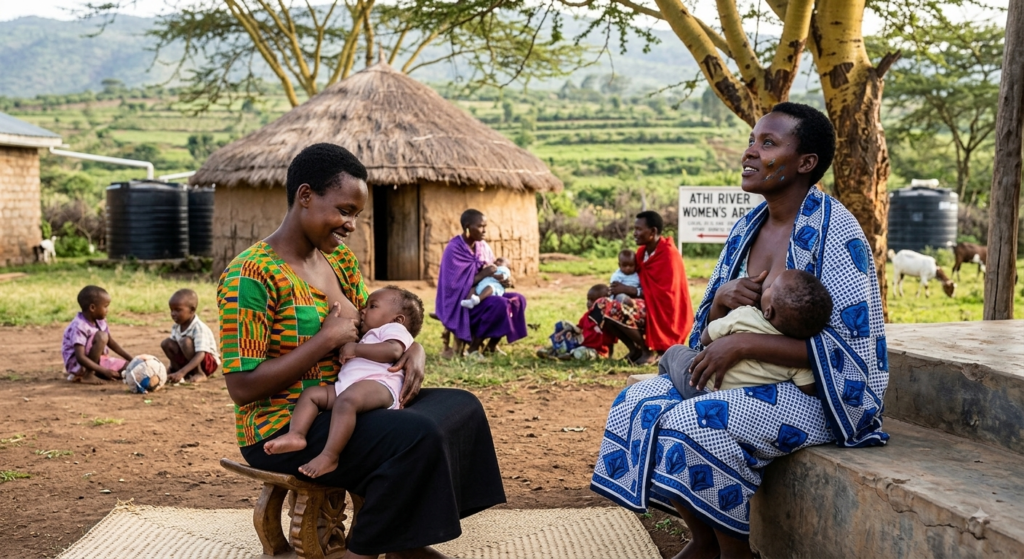
https://ntbckenya.org/wp-content/uploads/2026/08/Happy-Breastfeeding-Month.mp4 Breastfeeding & TB Care: Empowering Mothers with Facts, Not Fear
Network of TB Champions Kenya and KELIN Convene Stakeholders to Integrate WHO Civil Society Engagement Indicators into National Data Systems
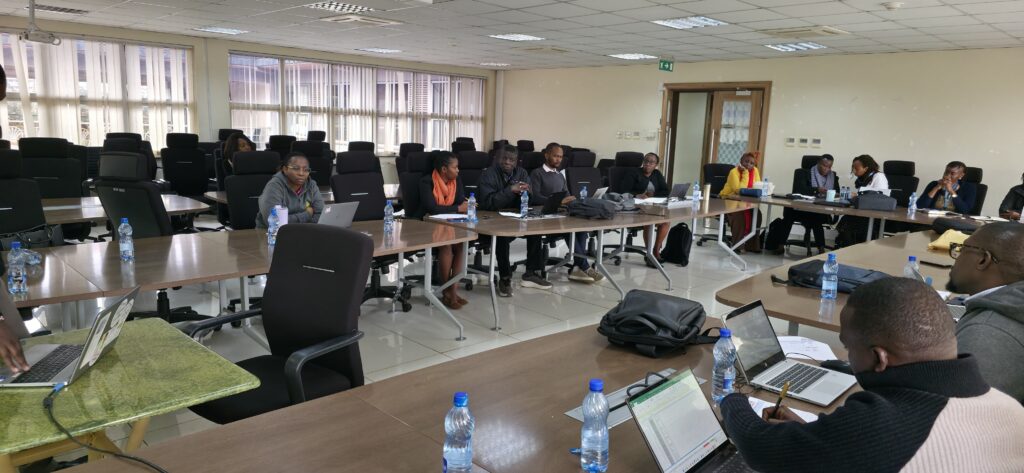
Nairobi, Kenya — The Network of TB Champions Kenya, hosted by KELIN under the COMBAT DR-TB Project, today convened a specialized Community Engagement (COE) meeting at Afya Annex to address key data gaps in Kenya’s National Tuberculosis Programme (NTP). While the World Health Organization’s (WHO) End TB Strategy and 2023 Guidance emphasize the critical role of civil society and community organizations in fighting TB, these contributions are not yet systematically captured in Kenya’s routine national health data. Today’s convening marks a major step forward in establishing a formal mechanism to advocate for the routine adoption and integration of WHO Civil Society Engagement Indicators. The half-day session brought together a multi-sectoral group of stakeholders, including representatives from the Ministry of Health, the National Tuberculosis Programme, county TB coordinators, civil society organizations, technical partners, and individuals directly affected by TB. During the meeting, participants evaluated current data collection entry points, formally established the Community Engagement (COE) structure, and drafted initial Terms of Reference (ToR) and leadership frameworks. Additionally, attendees mapped out an actionable advocacy roadmap aimed at ensuring community-led efforts are formally measured and recognized within national monitoring systems. Through coordinated governance and targeted advocacy, this initiative aims to create a more accurate, inclusive, and responsive TB data ecosystem in Kenya.
Stop TB Partnership Kenya Harnesses Multisectoral Power within the Transport Sector
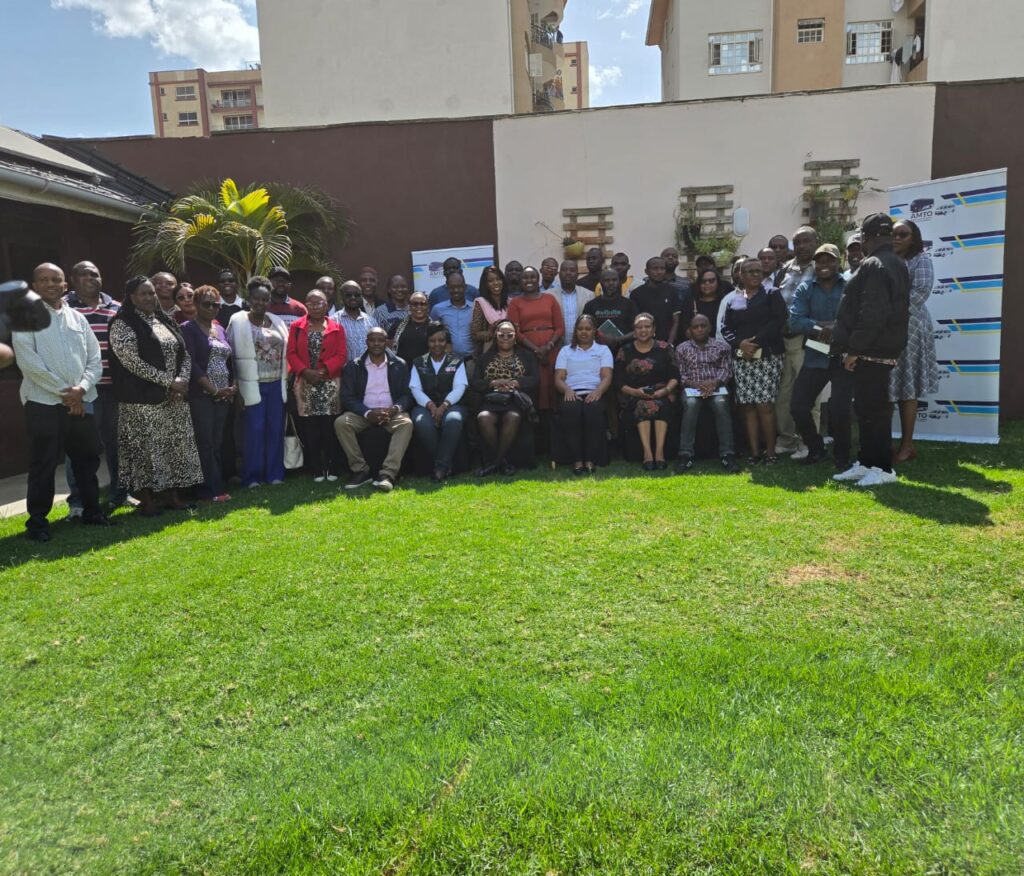
Tuberculosis (TB) remains one of the world’s most formidable public health challenges, disproportionately affecting populations characterized by high mobility, limited healthcare access, and constant exposure to crowded settings. Acknowledging that traditional health infrastructure alone cannot eliminate the disease, Stop TB Partnership Kenya last week launched a targeted advocacy campaign within the transport sector under the USAID-funded Tamatisha TB Activity. The transport sector spanning road, rail, air, and maritime logistics functions as a vital socioeconomic artery, yet its workforce remains fundamentally underutilized in national health responses. Understanding the Vulnerabilities of Mobility Transport personnel, particularly long-distance drivers, conductors, operators, and logistics staff, routinely navigate harsh occupational landscapes. Their work demands prolonged travel times away from family and stable healthcare setups, shifts in irregular environments with poor ventilation, and high-stress schedules. Consequently, these structural barriers often result in deferred health-seeking behavior and low participation in routine health screening. Through the Tamatisha TB Activity, Stop TB Partnership Kenya went directly to key transport corridors to dismantle these barriers. The intervention provided customized health sensitization aimed at closing the loop between exposure, symptom recognition, and prompt clinical care. The Strategy: Building a Multisectoral Ecosystem By integrating transport stakeholders into national and regional multisectoral TB platforms, the campaign addresses the missing links in community active case-finding. Peer-led advocacy sessions focused on critical operational strategies: Driving the Agenda Forward To fully optimize the transport sector’s role in the national TB response, ongoing efforts will focus on cultivating structured partnerships with transport associations, SACCOs, and regional logistics hubs. When we equip the people who move our nations with the tools to fight infectious diseases, we don’t just protect an industry—we safeguard the health of entire populations on the move. Because ending TB is a collective journey. Let us drive the cure together.
Communities in Machakos Unite to Strengthen Fight Against Drug-Resistant TB
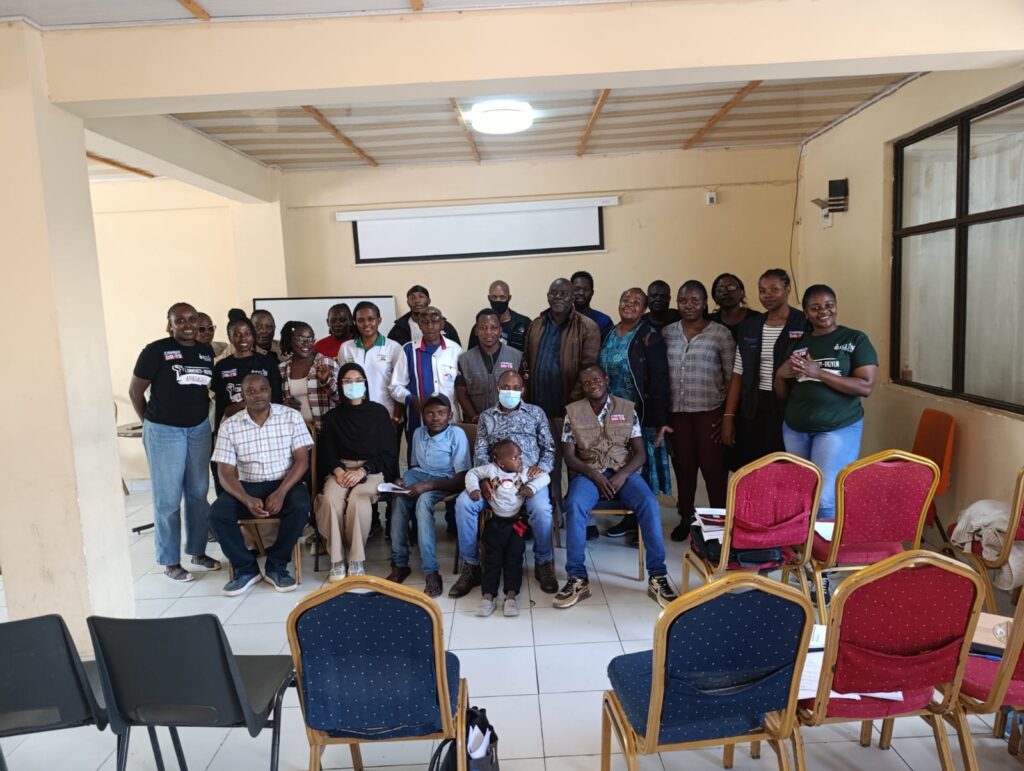
Communities in Machakos Unite to Strengthen Fight Against Drug-Resistant TB.
Kenya Reviews Progress in the Fight Against TB, Leprosy, and Lung Diseases During National Mid-Term Review
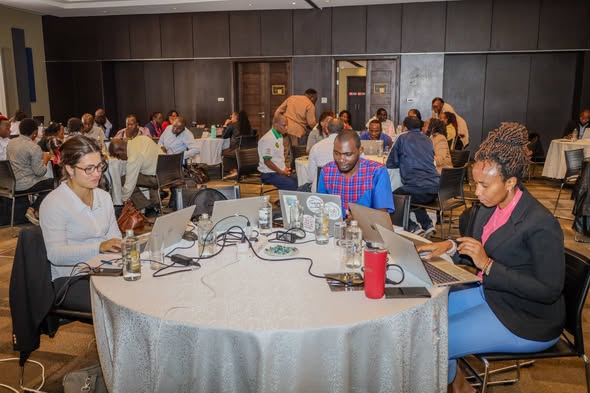
Following the successful completion of intensive data collection and county-level field engagements, the Ministry of Health, through the Division of Tuberculosis and Other Lung Diseases (DTLD), alongside key implementing partners, convened from 18th to 21st May 2026 for the National Strategic Plan Mid-Term Review (MTR) Data Consolidation Workshop. The workshop served to consolidate crucial field findings and disseminate preliminary outcomes ahead of the formal Ministry of Health leadership debrief held on May 21st, 2026. The ongoing review provides a vital checkpoint for the remaining implementation period of the National Strategic Plan (NSP) 2023/24–2027/28, ensuring Kenya’s respiratory health interventions remain robust, evidence-backed, and responsive to community needs. Encouraging Progress Across Counties Multidisciplinary teams recently conducted extensive field assessments across seven pilot counties—including Kisumu, Embu, Makueni, Murang’a, Trans Nzoia, Narok, Kwale, and Nairobi. The consolidated data highlighted remarkable strides in several key areas: Moving Beyond Reporting to True Inclusion A core focus of the dissemination sessions was the emphasis on creating more inclusive health systems. Speaking during the review discussions, Dr. Immaculate Kathure, Head of Program at DTLD, underscored that the Mid-Term Review is a collective reflection rather than a simple reporting mandate. “There is a need to improve perceptions of inclusion, ensuring that people feel seen, heard, accommodated, and meaningfully involved in decisions and program conversations. This work is not being developed for the Ministry or any external audience alone, but as a collective effort that will guide the next planning cycle. The teams involved will own these recommendations because they are the ones responsible for implementing them.” — Dr. Immaculate Kathure, Head of Program, DTLD Dr. Kathure reaffirmed the program’s commitment to maintaining an upward trajectory in performance while expressing deep appreciation for the community teams whose dedication fuels these county-level gains. Shifting Toward a Comprehensive Lung Health Agenda The consolidation workshop highlighted an evolutionary shift in Kenya’s healthcare strategy: moving away from strictly vertical disease programming toward an integrated lung health approach. Presenting during the meeting, Dr. Nkirote Mugambi-Nyaboga from the Centre for Health Solutions – Kenya (CHS-Kenya) highlighted how the landscape is changing to address the full spectrum of respiratory illnesses, including chronic obstructive pulmonary disease (COPD), asthma, and post-TB lung disease. “Lung health is increasingly being prioritized within Kenya’s broader respiratory health agenda. We are seeing a strong shift towards integrated, people-centred approaches that leverage existing TB platforms to build a more responsive and comprehensive lung health system capable of addressing the full spectrum of respiratory diseases.” — Dr. Nkirote Mugambi-Nyaboga, CHS-Kenya Strategic Direction and Next Steps The closing sessions of the workshop were honored by the active participation and guidance of key leadership figures, including Board Chair Michael Macharia and National Coordinator Stephen Anguva. Their presence reinforced the shared organizational resolve to transform raw field data into actionable public health policy. The final outputs of this Mid-Term Review will directly refine resource allocation, target interventions, and shape future policy frameworks aimed at accelerating progress toward eliminating TB, managing leprosy, and ensuring rights-based, person-centered respiratory care across Kenya. The National Strategic Plan Mid-Term Review is supported by a collaborative network of partners including the Ministry of Health, the United States Government, CDC, WHO Kenya, Amref Health Africa, Clinton Health Access Initiative (CHAI), Centre for Health Solutions (CHS) Kenya, RESOK, KELIN, Stop TB Kenya, and various Networks of TB Champions.
NTBC-K Champions Domestic Health Financing: Submission of Memorandum for FY 2026/27 National Budget
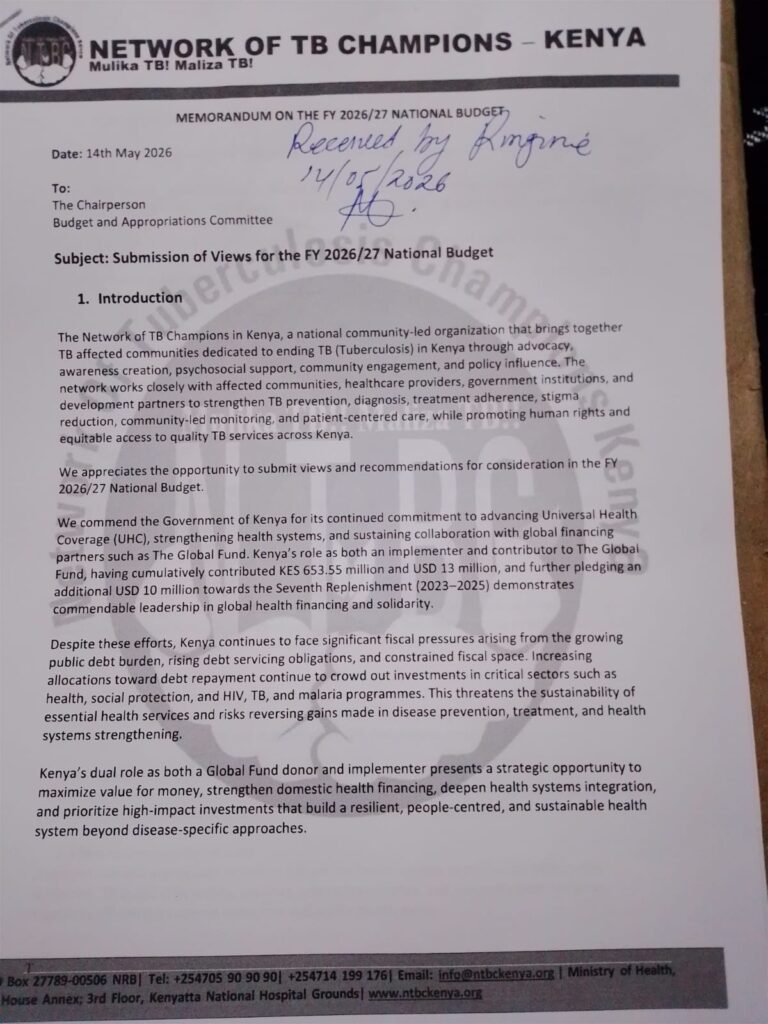
The Network of TB Champions Kenya (NTBC-K) has achieved a significant milestone in its mission to influence national health policy. On May 14, 2026, our leadership officially submitted a comprehensive memorandum to the Budget and Appropriations Committee regarding the FY 2026/27 National Budget. The Core of Our Advocacy As a community-led organization, NTBC-K represents the voices of those directly impacted by Tuberculosis. Our submission highlights a critical crossroads for Kenya: while we celebrate our nation’s role as both a donor and implementer for The Global Fund, we recognize the immense pressure that debt servicing and a constrained fiscal space place on our local health systems. Key Recommendations In our memo, we called on the government to: Prioritize Domestic Resource Mobilization: Ensuring that critical health programs specifically TB, HIV, and Malaria are shielded from budget cuts. Deepen Health Systems Integration: Moving toward a resilient, people-centered health system that goes beyond disease-specific approaches. Protect the Gains of UHC: Safeguarding the progress made in Universal Health Coverage by ensuring consistent and predictable funding. Meaningful Participation Participating in the budget-making process at both the national and county levels is a core pillar of our strategy. By engaging directly with the Budget and Appropriations Committee, NTBC-K ensures that the TB Champions are not just observers, but active participants in shaping the fiscal future of health in Kenya. A Word of Gratitude We extend our thanks to our members and partners for their input in finalizing this memorandum. This document represents the collective will of a community dedicated to a TB-free Kenya. “Kenya’s dual role as both a Global Fund donor and implementer presents a strategic opportunity to maximize value for money and prioritize high-impact investments that build a sustainable health system.” — Excerpt from the NTBC-K Memorandum. Stay Informed: To follow our progress during the budget cycle and other advocacy efforts, follow us on our social media platforms or join our official WhatsApp Channel for real-time updates.
TB Champions Join the GC8 Writing Process: Elevating Community Voices in Kenya’s National TB Response

TB Champions Join the GC8 Writing Process: Elevating Community Voices in Kenya’s National TB Response